Property
Buying a flat in a new development in Georgia: what to look at
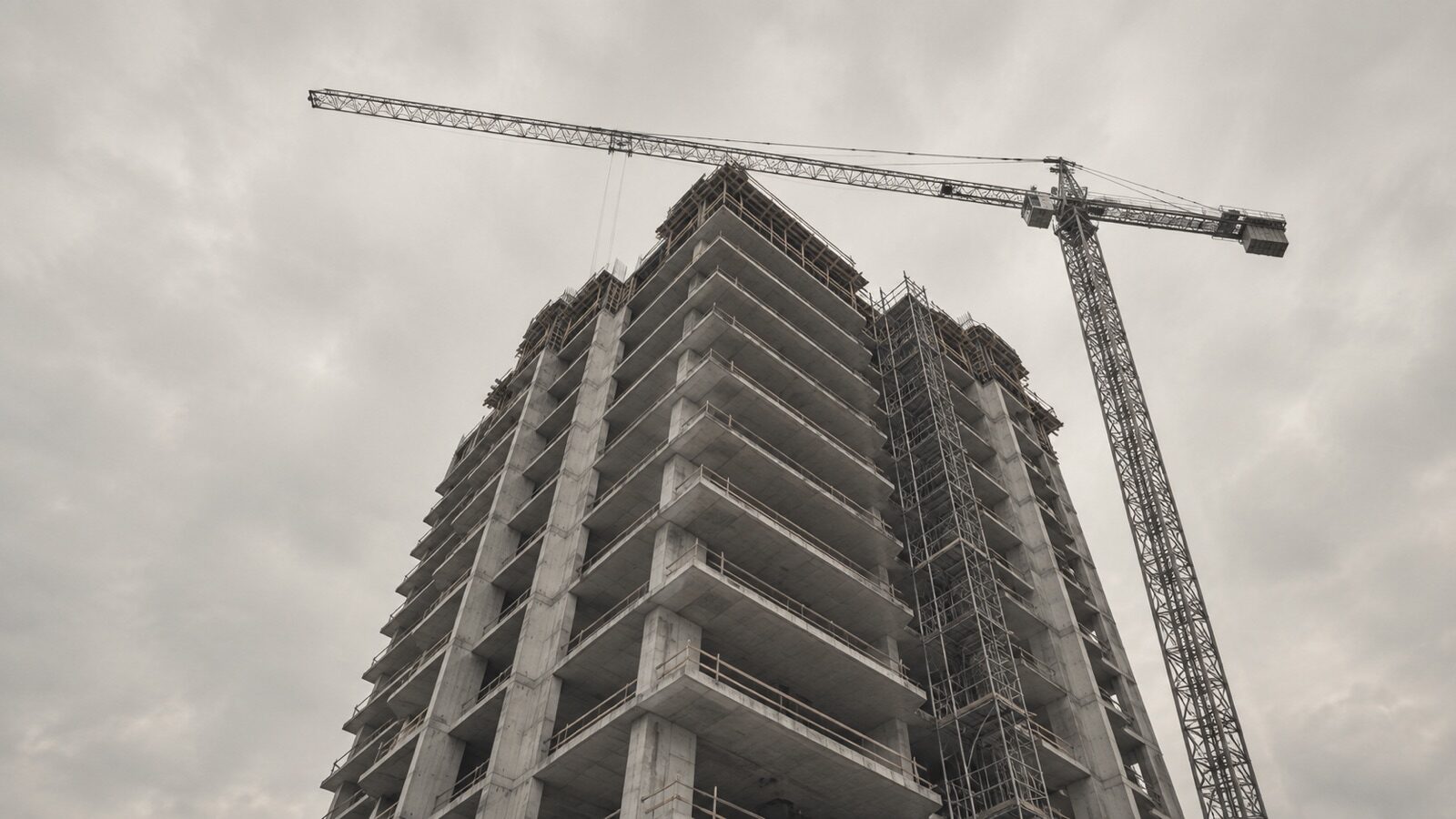
On the resale market the risk lies in the history of title: who owned the place and whether any claims remain. In a new development there is no history at all - and the risk moves elsewhere: you are paying now for something that does not yet exist.
What you are buying before the building is finished
Until the building is completed and commissioned, the flat does not exist as an object of property law. So what you acquire is not ownership but a contractual claim - the developer's obligation to hand the property over to you in the future.
From that follows the central question to put to any developer's contract: what exactly is it obliged to hand over, by when, in what condition, and what happens if it does not. Everything else is detail around that question.
Checking the developer
What gets checked is not the brand on the hoarding but the legal entity signing the contract. These are different things: the seller may be a company set up for a single project, while the well-known name belongs to another.
Worth looking at:
- Who signs the contract on paper: an extract from the register, who owns the company, who the director is, when it was formed.
- Who owns the plot the building stands on and on what basis the developer uses it.
- Whether a construction permit exists and whether what is being built matches it: number of storeys, intended use, boundaries.
- Encumbrances on the plot and on the project itself.
- What the developer has delivered before, and to what deadlines.
Stage of completion
The price is lower at an early stage, and that is the price of risk. The difference between a foundation pit and a building ready for commissioning is not only the waiting time but the likelihood that the project will be finished as advertised.
A useful habit is to judge not the promised completion date but the actual state of the site and what the developer can show about the funding of the works. Promised dates in new developments slip often, and the contract has to say what happens then.
What happens if the developer is late
This is the most important section of the contract, and it is usually written in the developer's favour. Check:
- The handover deadline and how definite it is: "within the quarter following completion of works" is not a deadline.
- Liability for delay: whether there is any at all and on what scale.
- The buyer's right to withdraw from the contract after a prolonged delay, and how the money paid is returned.
- The developer's ability to change the design, the floor area or the layout unilaterally, and what then happens to the price.
Floor area deserves its own attention. The contract states the design area, and after measurement the actual figure may differ. The recalculation mechanism for a discrepancy has to be written down, and in both directions.
Payment schedule
Instalments tied to construction milestones are safer for the buyer than payment in full up front. If the developer insists on full payment at an early stage, that in itself is information about the project.
Payments go to the account of the company named in the contract, not to the personal accounts of staff or agents. Bank documents are the proof of payment.
When ownership arises
Ownership does not arise when the contract is signed, nor when the keys change hands, but when the right is registered in the register. Until then you are the developer's creditor, not the owner of a flat.
So registration after the building is commissioned is not a formality to be put off but the completion of the purchase. Before it, the flat cannot be disposed of and is not yours in the full sense.
Finishing and handover inspection
The condition in which the flat is handed over is described in the contract: what the finish includes, which materials, what counts as common property. A handover inspection recording defects in a report is what you rely on when demanding they be put right. A report signed without comment removes that footing.
What to prepare for the consultation
- The name of the development and the address of the property.
- The full name of the developer company under the contract and its extract from the register.
- The contract or its draft - in full, with every annex.
- The land documents and the construction permit.
- The advertised completion date and the actual current state of the site.
- The payment schedule and the account details payments go to.
- The design floor area and the recalculation mechanism if the actual area differs.
- The description of the finish and of what counts as common property.
- Details of the developer's previously completed projects.
Disclaimer. This material is for reference, sets out the general procedure and is not legal advice. It has been prepared without regard to the circumstances of any particular matter and cannot serve as a basis for decisions on filing documents, entering transactions or taking other legally significant steps. Reading it or relying on it does not create a lawyer-client relationship. Document requirements, fee levels and time limits are set by Georgian legislation and secondary rules; the law and the practice of applying it change, so the currency of any information is checked on the date of the enquiry. Decisions in state procedures are taken by the competent authority, and no outcome can be guaranteed.
Send us the name of the development and the developer's contract - we will look at what you are buying on paper and what happens if the dates slip.
Describe your matter